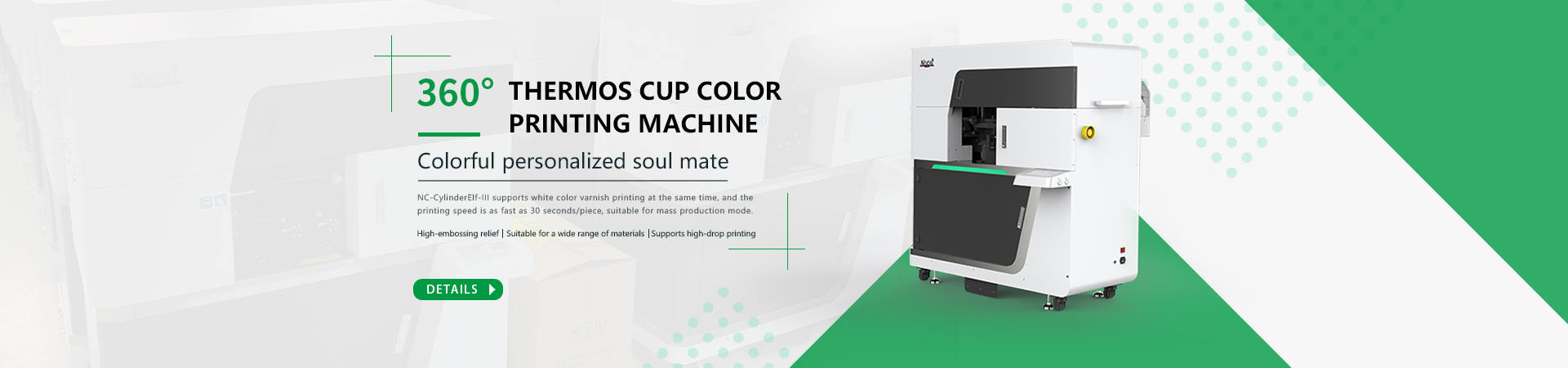
Glass, Metal, Leather, Wood—One UV Printer for Hundreds of Materials
In traditional printing, switching to a different material often means changing equipment or even adopting an entirely different production process. Paper, film, fabric, metal, and glass each come with their own printing requirements, making it difficult for many businesses to handle diverse orders efficiently. UV printing technology is changing that.
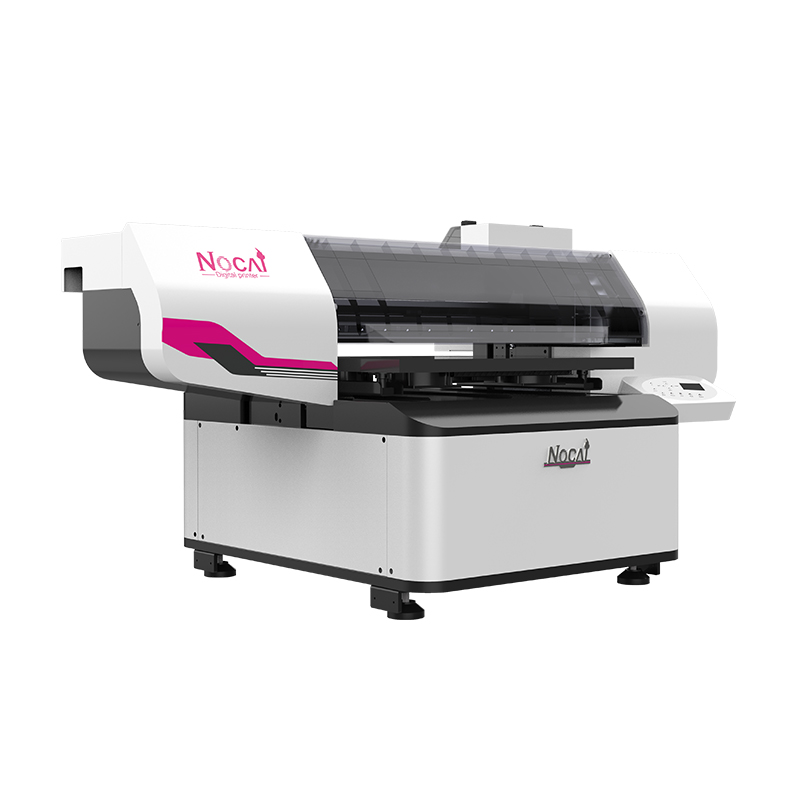
How can a single UV printer print on materials as different as glass, metal, leather, and wood? The answer lies in one key advantage: instant UV curing.
Traditional printing relies on ink penetrating the surface of a material to achieve adhesion, which limits it to absorbent substrates. UV printing works differently. After the ink is jetted onto the surface, it is immediately cured by ultraviolet light. The ink droplets solidify almost instantly, forming a durable ink layer on the material. Because this process does not depend heavily on material absorption, UV ink can adhere to both smooth surfaces like glass and textured surfaces like wood.
For non-absorbent materials such as glass and metal, optimized UV ink formulations provide excellent adhesion. During curing, the ink forms a strong bond with the substrate surface. Combined with appropriate surface preparation—such as alcohol cleaning, coating application, or plasma treatment—the printed image can achieve the durability required for daily use and outdoor display applications.
For materials such as leather and wood, instant curing prevents ink bleeding and preserves fine details and natural textures. In addition, flexible UV inks allow the printed image to bend along with the material, reducing the risk of cracking or peeling.
Another major advantage is operational simplicity. In most cases, users only need to select the appropriate material profile in the printer software. The system automatically adjusts curing settings and print parameters to match the substrate. Compared with traditional printing methods that may require changing plates, adjusting drying temperatures, or switching ink systems, material changeovers with UV printing are fast and straightforward.
This advantage is especially valuable for businesses handling small-batch, customized, and on-demand production, where frequent order changes are common.
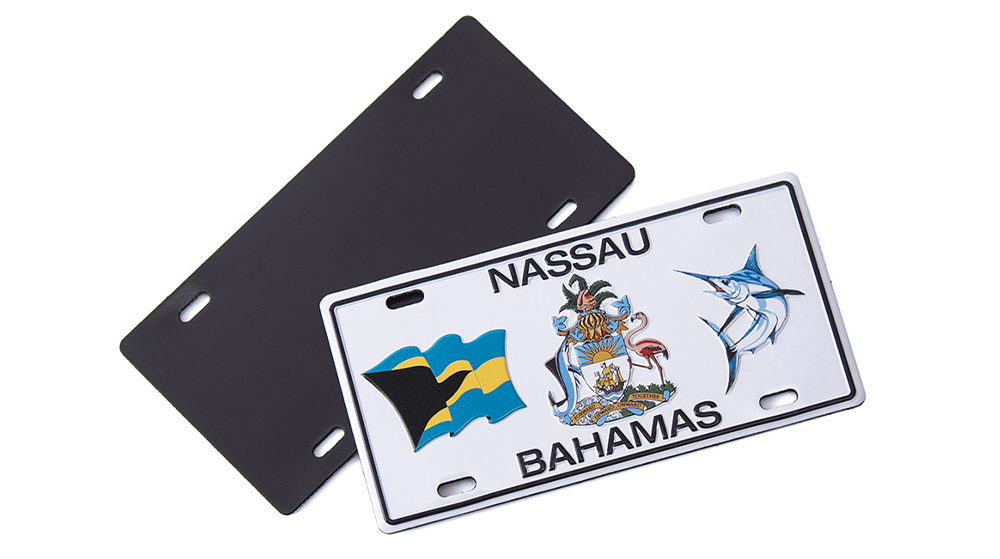
The claim that one UV printer can handle hundreds of materials is not an exaggeration. From rigid materials such as ceramic tiles and acrylic sheets to flexible substrates like canvas and PU leather, from transparent glass bottles to brushed metal nameplates, UV printing can deliver vibrant colors and sharp details across a wide range of applications.
This exceptional material versatility is helping more businesses expand their product offerings and take on jobs that previously required multiple production lines. Sometimes, technological progress is simply that practical and powerful.
-

Nuocai Successfully Concludes PRINTING United Expo 2026 in Las Vegas
2026-09-28 -

Making an Impact in Las Vegas — Nuocai Makes a Strong Debut at PRINTING United Expo 2026
2026-09-24 -

Growing Together, Moving Forward with Purpose | Guangzhou Nuocai 2026 Production Trainee Representative Symposium
2026-08-29 -

A Truckload of Henan Melons, A Thousand-Mile Bond with Guangdong|Nocai’s Charitable Purchase: Supporting Farmers, Refreshing Our Team
2026-08-11 -
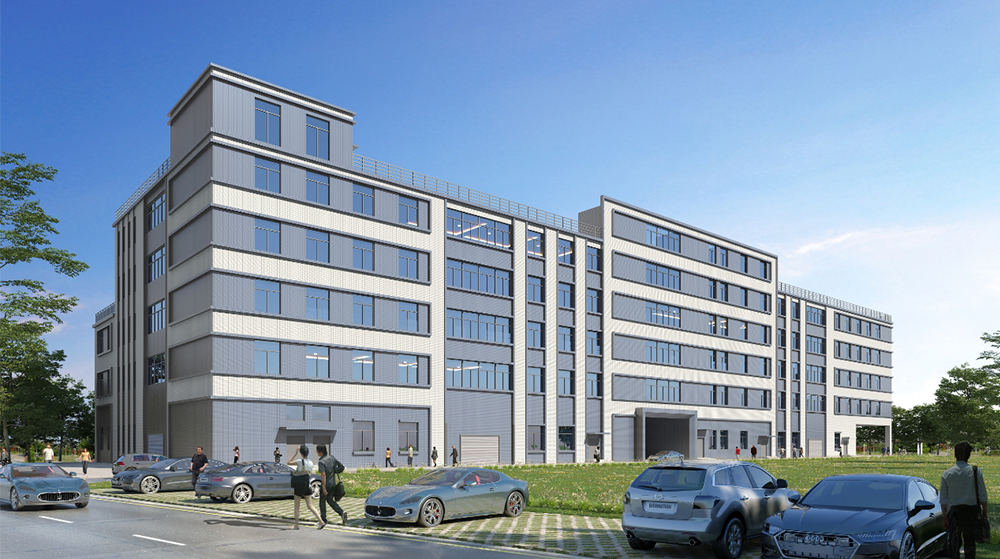
Topping-out Ceremony Successfully Held! NOCAI Digital’s Capital Increase & Capacity Expansion Project Officially Topped Out, Embarking on a New Journey of Smart Manufacturing
2026-04-28 -
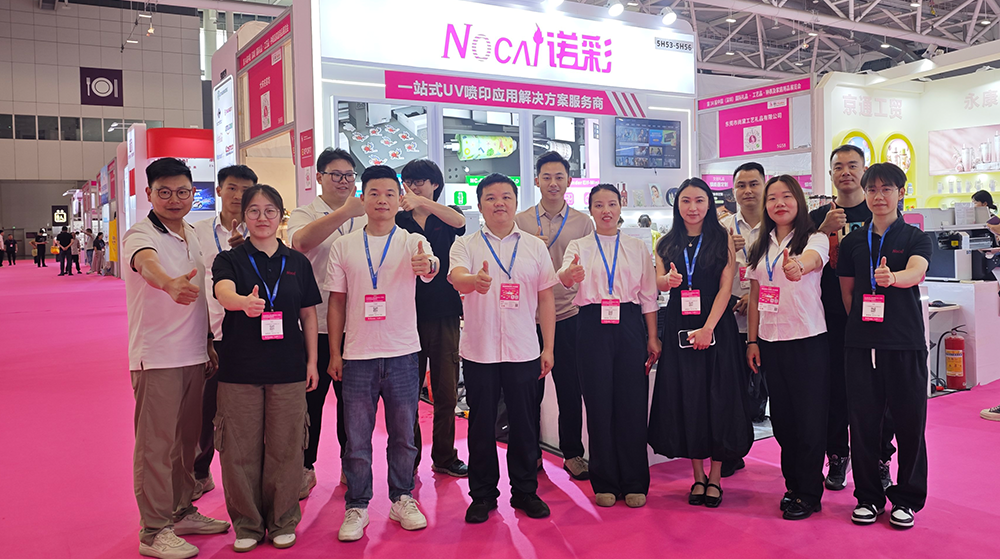
NOCAI’s Shenzhen Gift Fair Successfully Concluded. You Are Warmly Invited to Visit Our Factory for New Cooperation
2026-04-28 -
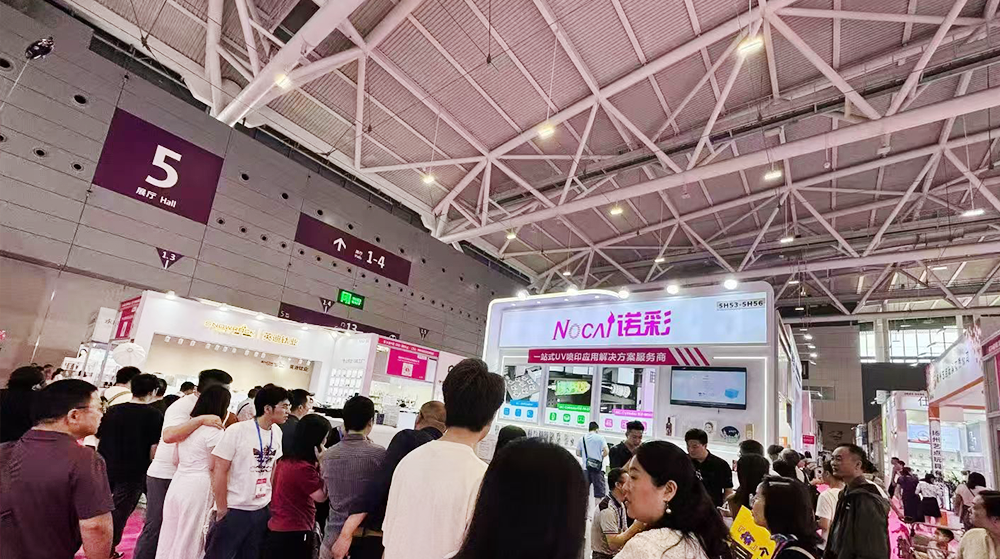
Shenzhen Gift Fair · Day 3|Booming Momentum Continues NOCAI all-scenario customized gift printing solutions unlock new industry business opportunities
2026-04-27 -
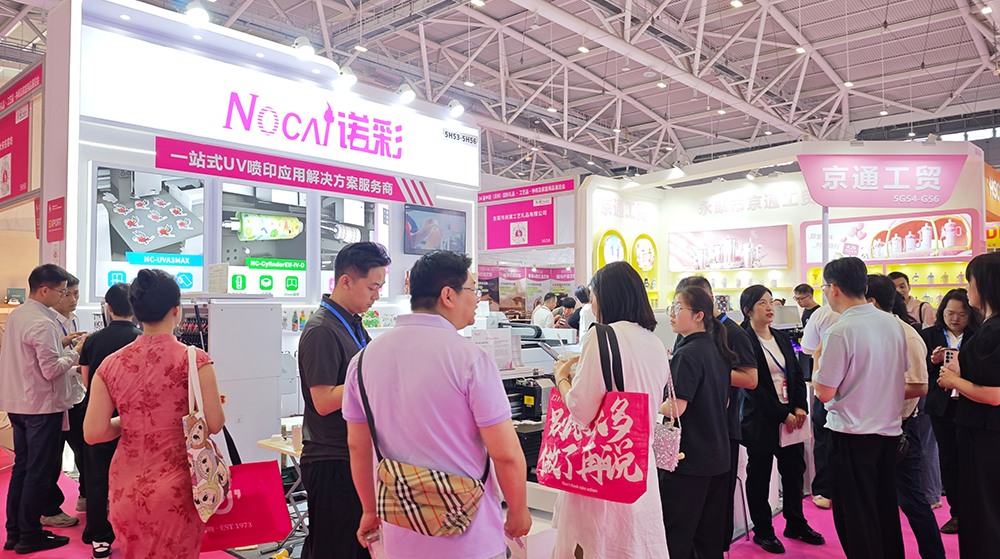
Shenzhen Gift Fair Day 2 | NOCAI Booth Packed! Explore New UV Printing Game — Unlimited Materials & Instant Drying
2026-04-27 -
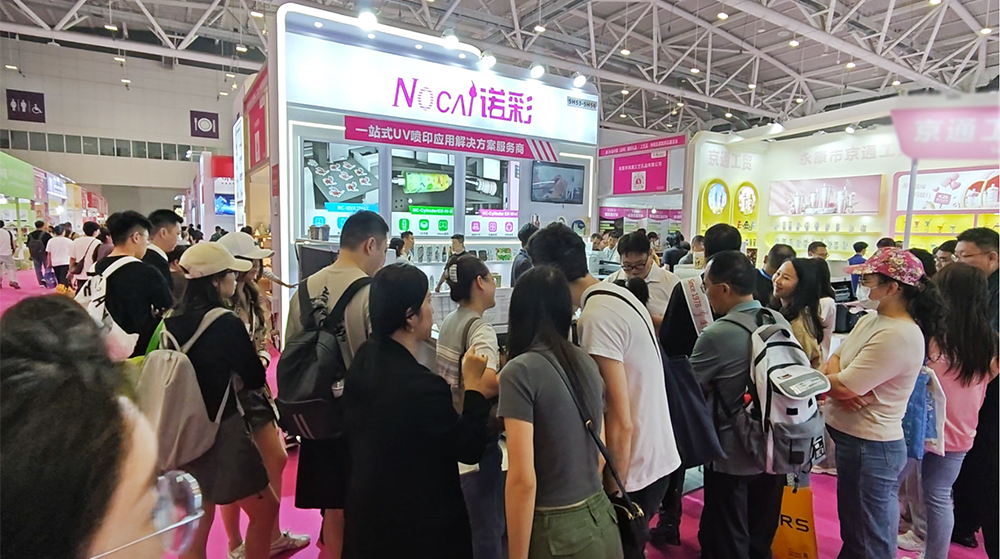
Day 1 of Shenzhen Gift Fair | NOCAI UV Inkjet Printing Technology, Unlock Infinite Creativity for Gifts
2026-04-25 -
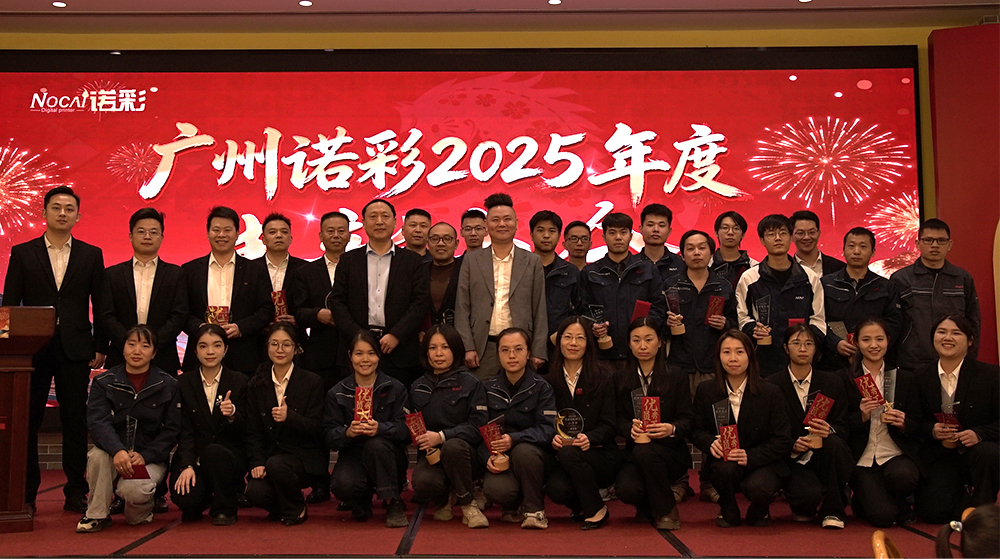
Guangzhou NOCAI 2025 Annual Recognition Conference Successfully Concluded
2026-02-24
-
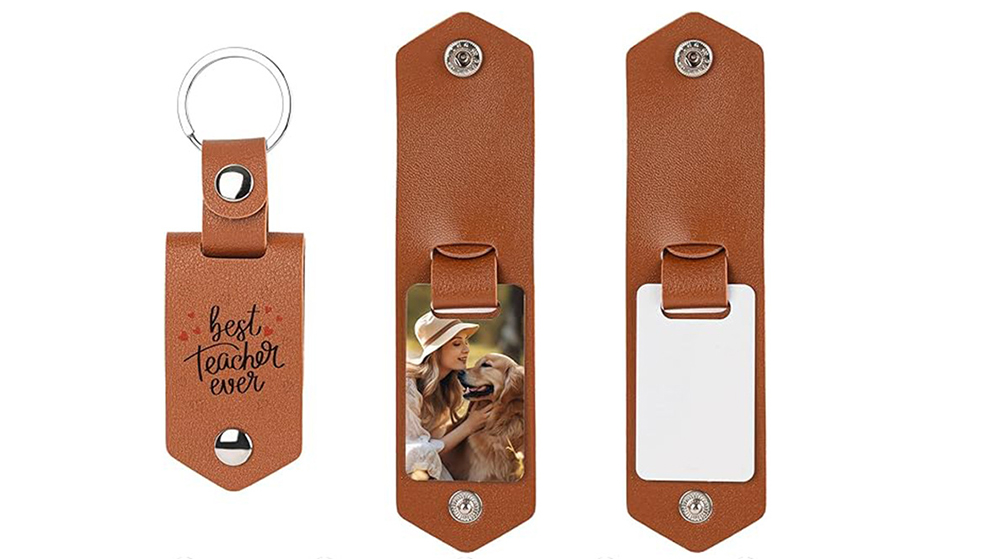
Which Industries Are Suitable for A3 UV Printers? What Value Can They Bring to New Entrepreneurs?
2026-09-21 -
How Critical Is Printhead Technology for UV Flatbed Printers? Professional Comparison Between Ricoh & Epson Printheads
2026-09-21 -

How to Troubleshoot Ink System Issues on a UV Flatbed Printer?
2026-09-17 -
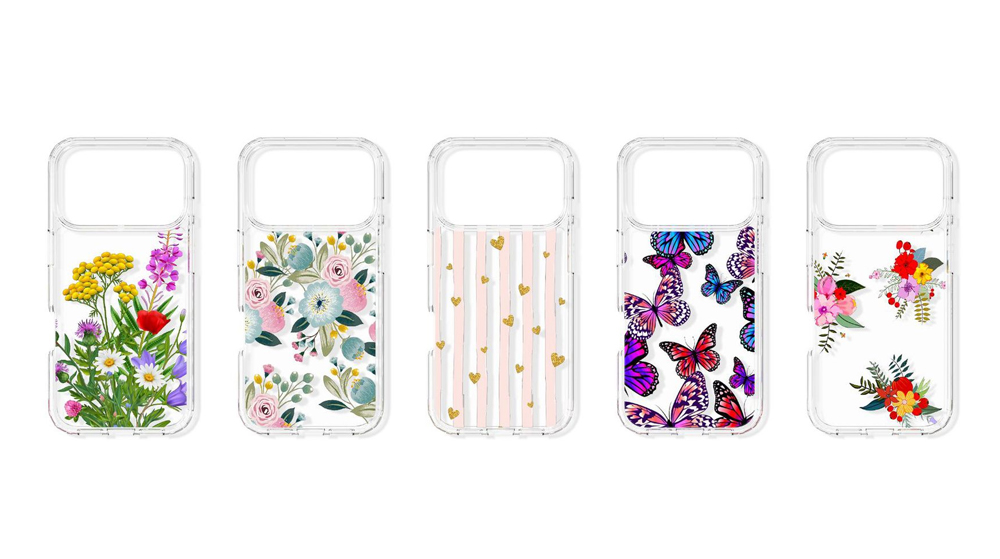
Choosing a UV Printer for Gift Customization Is More Complex Than It Looks: Printheads and Ink Systems Make the Difference
2026-09-17 -
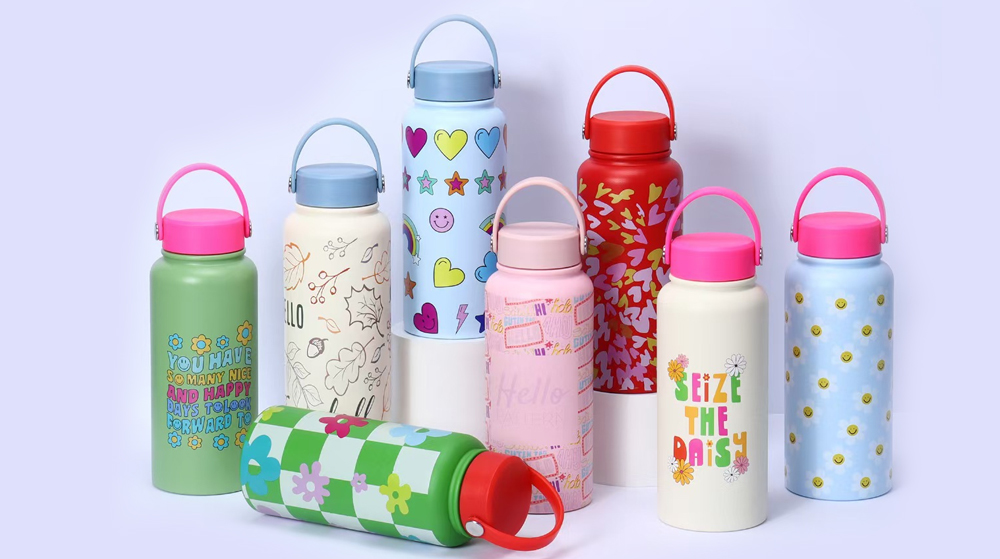
Bought a Rotary Printer but Struggling with Tapered Cups? Auto Height Detection and Printhead Protection Make the Difference
2026-09-10 -
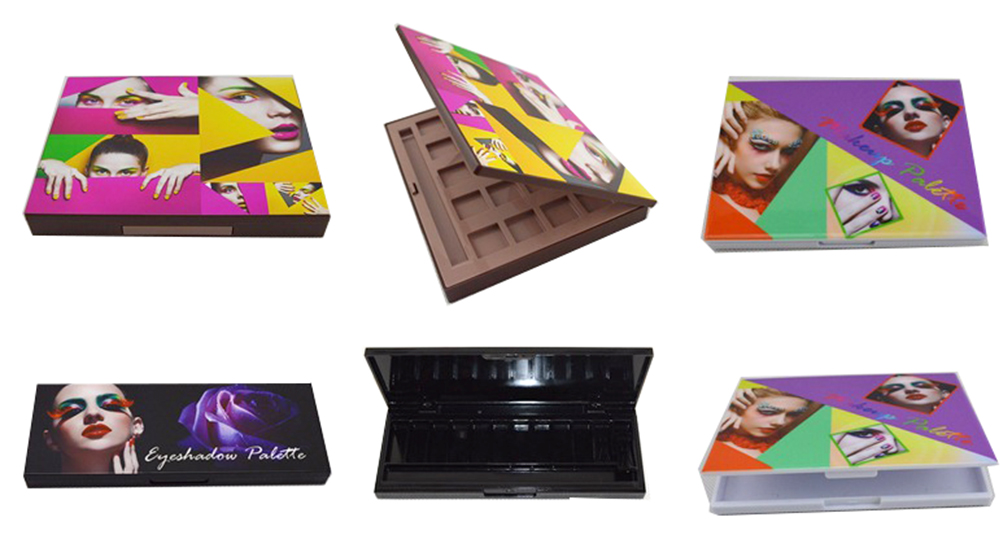
Waiting Days for Samples and Starting Over After Design Changes? How UV Flatbed Printers Help Designers Capture Every Idea
2026-09-10 -

Bought a Rotary Printer but Struggling with Tapered Cups? Auto Height Detection and Printhead Protection Make the Difference
2026-09-03 -

Waiting Days for Samples and Starting Over After Design Changes? How UV Flatbed Printers Help Designers Capture Every Idea
2026-09-03 -
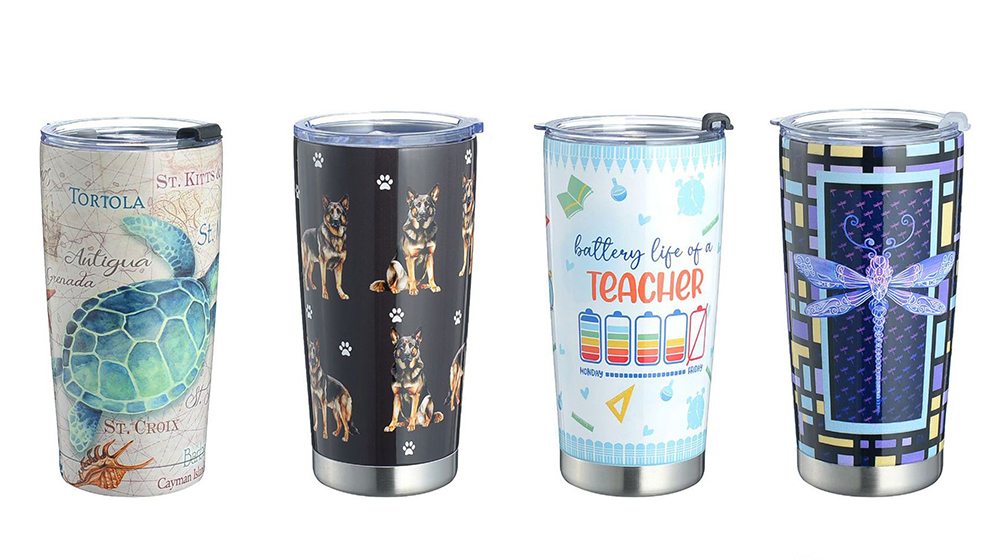
Bought a Rotary Printer but Struggling with Tapered Cups? Auto Height Detection and Printhead Protection Make the Difference
2026-08-25 -

Waiting Days for Samples and Starting Over After Design Changes? How UV Flatbed Printers Help Designers Capture Every Idea
2026-08-25
CONTACT US


Guangzhou Nuocai Digital Products Co., Ltd.
If you would like to keep touch with us directly, please go to contact us
-
![]()
Home
-
![]()
Tel
-
![]()
Email
-
![]()
Contact


