
Small UV Printer Buying Guide to Avoid Pitfalls: Printhead vs Curing System, Which Matters More?
Compact small UV printers feature versatile media compatibility and space-saving design, making them top picks for new custom print workshops and diversified printing businesses. However, most buyers struggle to weigh two core components: printhead type and curing system. In fact, it’s not a simple comparison of “which one is more important” — you need to make a comprehensive evaluation based on your actual business model.

As the executive component that ejects ink droplets, the printhead directly determines the precision and delicacy of printed graphics. Most compact printers adopt micro-piezoelectric printheads. Their nozzle density and adjustable ink droplet size govern the thin-line definition and smoothness of color gradients. For users who frequently print tiny text, intricate patterns or high-fidelity photo-grade images, the printhead’s physical precision and optimized drive waveform performance are particularly critical. Meanwhile, the printhead’s sealing structure and corrosion resistance influence nozzle clogging frequency during long-term operation, especially when frequently switching ink types or colors. Equipment equipped with sophisticated printhead protection mechanisms can drastically reduce downtime for cleaning and deliver smoother continuous production.
The curing system is responsible for instantly converting ink droplets jetted onto the substrate into solid adhesive layers, and its performance directly determines the physical durability of finished products and overall production efficiency. Compact UV printers are generally fitted with UV-LED lamps. The matching degree between LED lamp wavelength and the photoinitiators contained in UV ink decides whether ink achieves full curing. Insufficient curing leaves a tacky residue on printed surfaces, leading to print adhesion during stacking or poor abrasion resistance; over-curing renders the ink film brittle, generating cracks when flexible substrates are bent. In addition, the adjustable power range of the curing system and the attenuation cycle of LED lamps affect long-term operational energy costs and maintenance frequency. For businesses processing heat-sensitive materials such as thin films and lightweight plastics, curing systems featuring low-temperature curing capability effectively prevent substrate deformation.
The synergistic relationship between these two components is often overlooked. After ink droplets ejected by the printhead land on the printing surface, the curing system must supply UV light of matching wavelengths within a short window to fix ink shapes and prevent ink bleeding. If the printhead supports precise control of ultra-fine ink droplets yet the curing system responds with delay, thin lines will blur and spread. Conversely, if the curing system delivers fast curing efficiency but the printhead cannot eject evenly sized ink droplets, inconsistent light and dark patches will appear on prints. Therefore, when selecting equipment, buyers should check whether the machine’s overall waveform control and curing timing have undergone joint factory calibration, rather than merely comparing the standalone parameter figures of individual components.
For practical equipment selection, it is recommended to start evaluation based on your commonly processed substrates and quality standards for typical orders. If your core business focuses on high-precision graphic printing with a relatively fixed range of printing media, priority should be given to assessing the printhead’s fine detail reproduction capacity. If you operate high-speed mass production and process diverse materials — especially thick boards and dark base substrates — greater emphasis should be placed on the adaptability and long-term stability of the curing system. An ideal UV printer balances printhead and curing system performance, with comprehensive compatibility testing completed before factory delivery. The most intuitive verification method is to bring your own blank samples for on-site test printing. Observe the sharpness of ultra-fine lines and the adhesion strength of fully cured ink layers, and record the machine’s operating status during continuous printing. Only through real sample verification can you select the equipment configuration that perfectly matches your production requirements.
-

Nuocai Successfully Concludes PRINTING United Expo 2026 in Las Vegas
2026-09-28 -

Making an Impact in Las Vegas — Nuocai Makes a Strong Debut at PRINTING United Expo 2026
2026-09-24 -

Growing Together, Moving Forward with Purpose | Guangzhou Nuocai 2026 Production Trainee Representative Symposium
2026-08-29 -

A Truckload of Henan Melons, A Thousand-Mile Bond with Guangdong|Nocai’s Charitable Purchase: Supporting Farmers, Refreshing Our Team
2026-08-11 -

Topping-out Ceremony Successfully Held! NOCAI Digital’s Capital Increase & Capacity Expansion Project Officially Topped Out, Embarking on a New Journey of Smart Manufacturing
2026-04-28 -
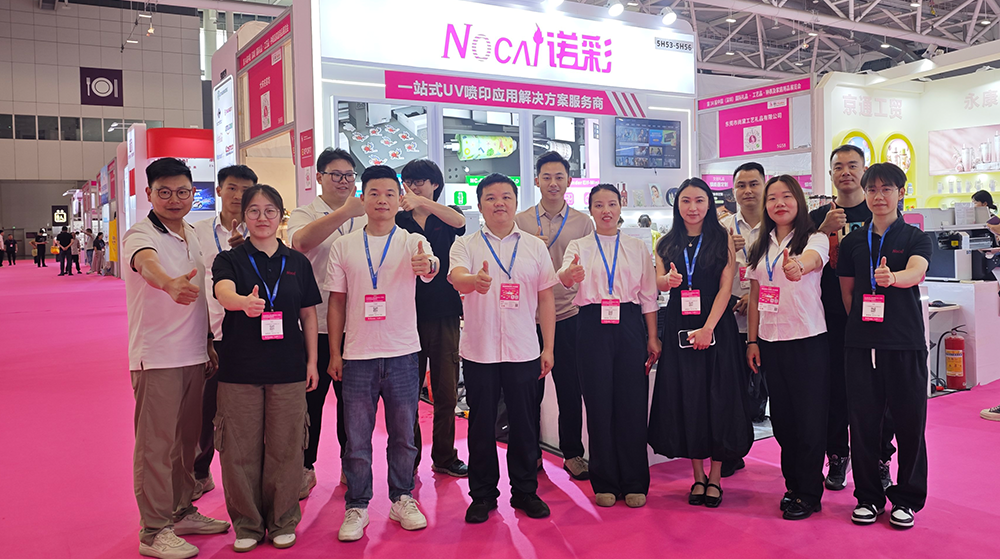
NOCAI’s Shenzhen Gift Fair Successfully Concluded. You Are Warmly Invited to Visit Our Factory for New Cooperation
2026-04-28 -
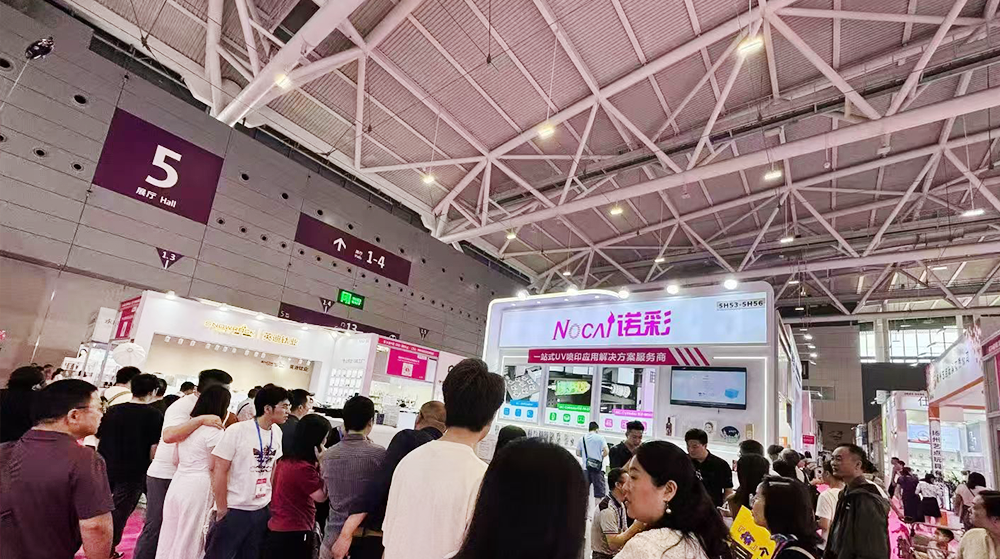
Shenzhen Gift Fair · Day 3|Booming Momentum Continues NOCAI all-scenario customized gift printing solutions unlock new industry business opportunities
2026-04-27 -
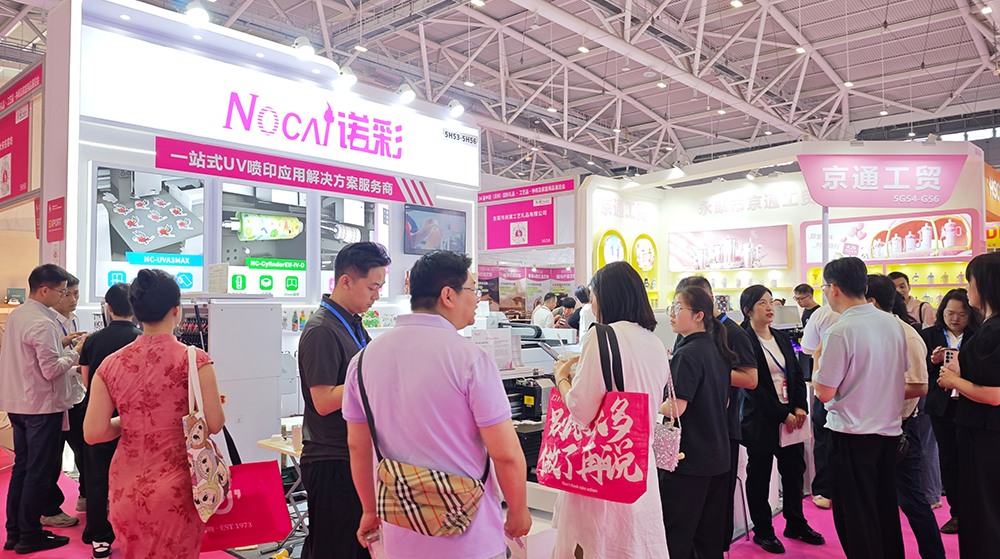
Shenzhen Gift Fair Day 2 | NOCAI Booth Packed! Explore New UV Printing Game — Unlimited Materials & Instant Drying
2026-04-27 -
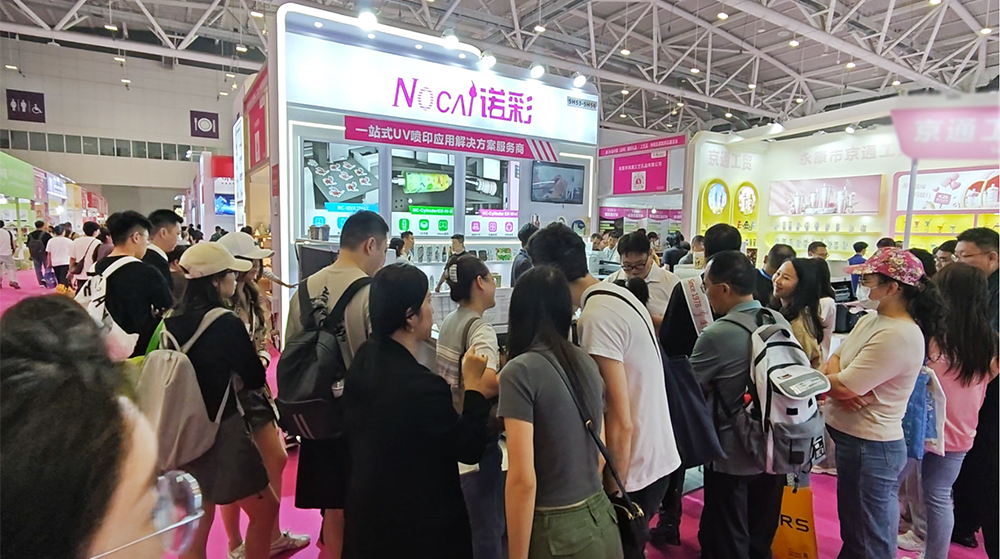
Day 1 of Shenzhen Gift Fair | NOCAI UV Inkjet Printing Technology, Unlock Infinite Creativity for Gifts
2026-04-25 -
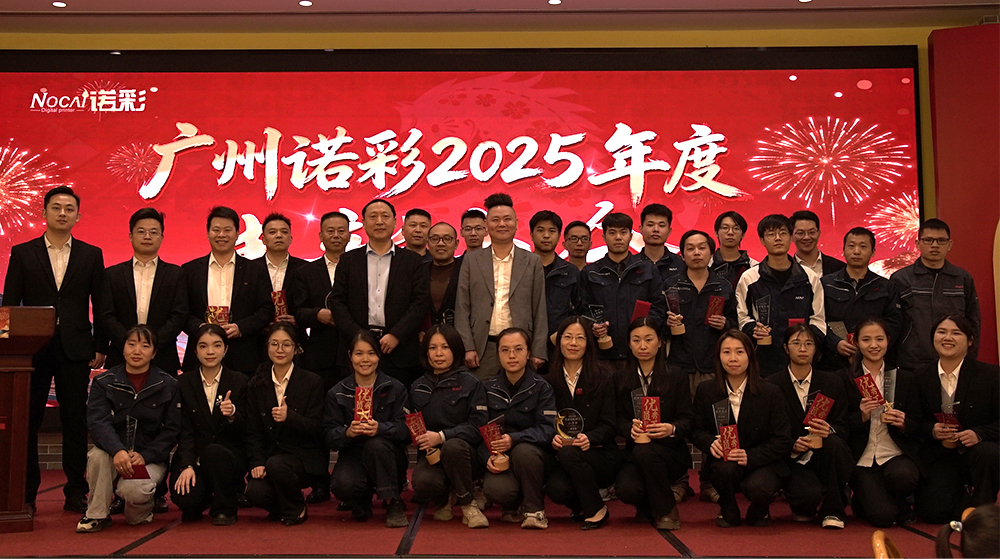
Guangzhou NOCAI 2025 Annual Recognition Conference Successfully Concluded
2026-02-24
-
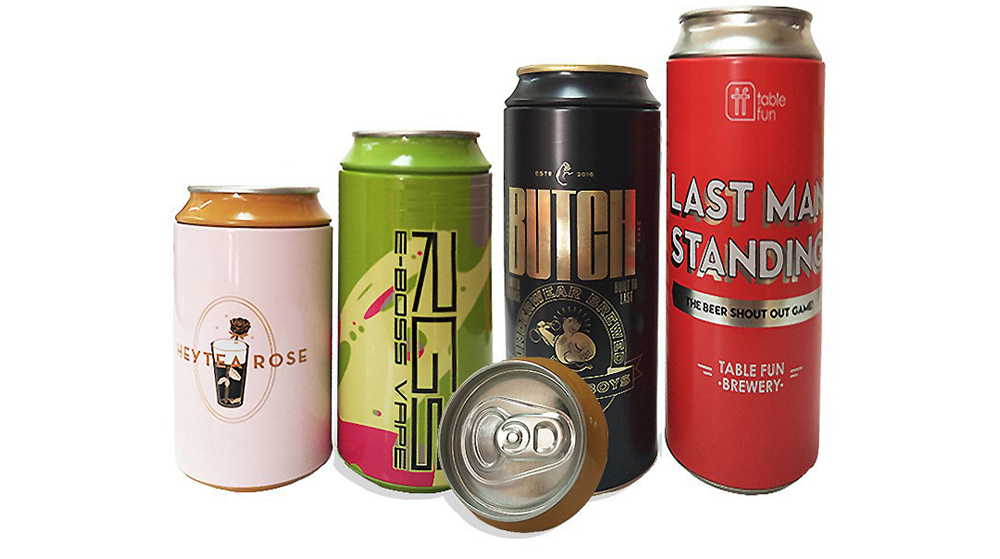
Figure out the differences between flatbed printers and cylindrical printers before purchasing a cosmetic printing machine
2026-10-10 -
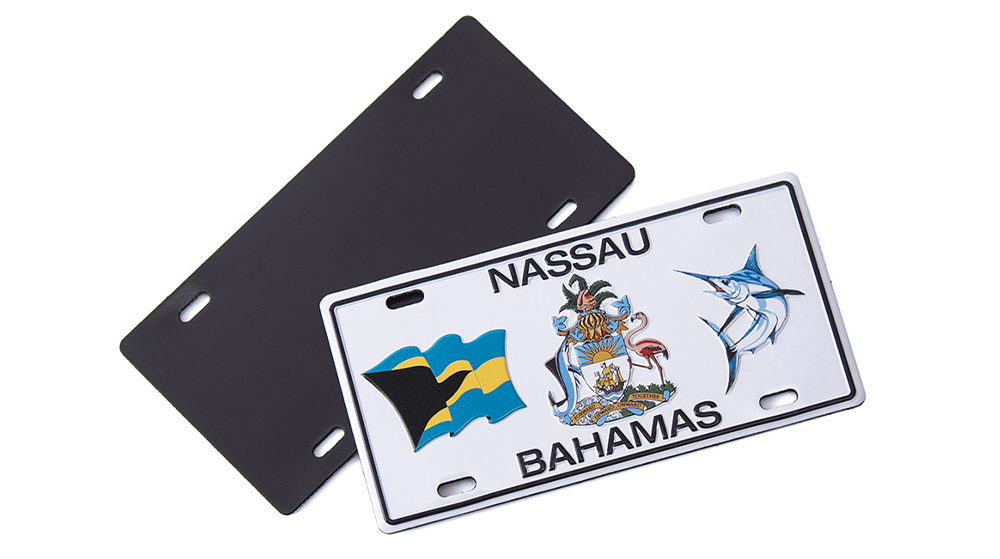
Small UV Printer Buying Guide to Avoid Pitfalls: Printhead vs Curing System, Which Matters More?
2026-10-10 -
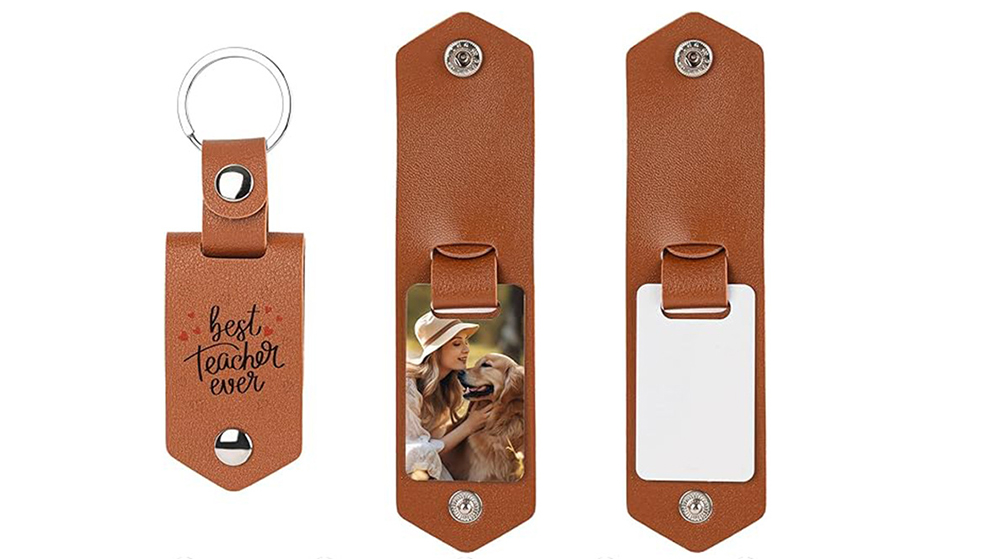
Which Industries Are Suitable for A3 UV Printers? What Value Can They Bring to New Entrepreneurs?
2026-09-21 -
How Critical Is Printhead Technology for UV Flatbed Printers? Professional Comparison Between Ricoh & Epson Printheads
2026-09-21 -

How to Troubleshoot Ink System Issues on a UV Flatbed Printer?
2026-09-17 -
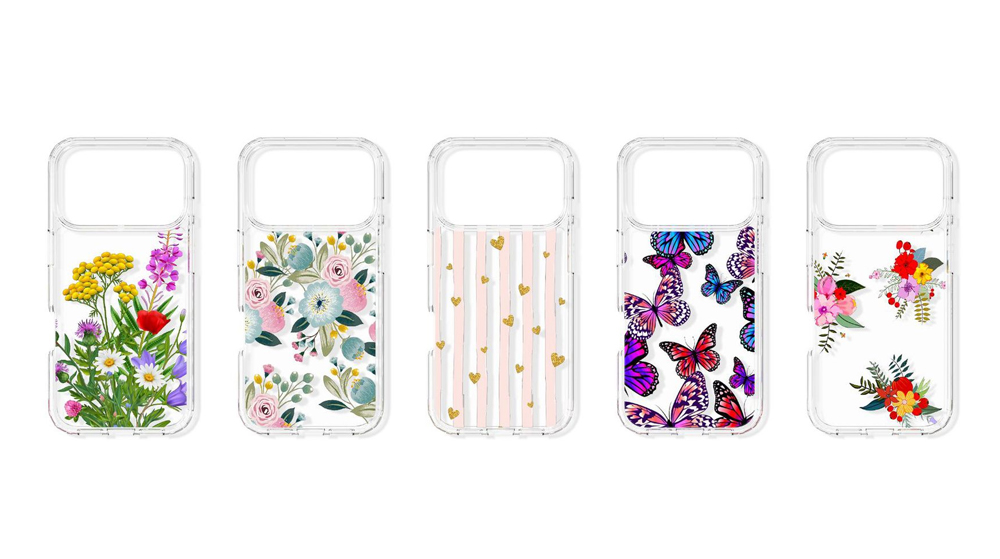
Choosing a UV Printer for Gift Customization Is More Complex Than It Looks: Printheads and Ink Systems Make the Difference
2026-09-17 -
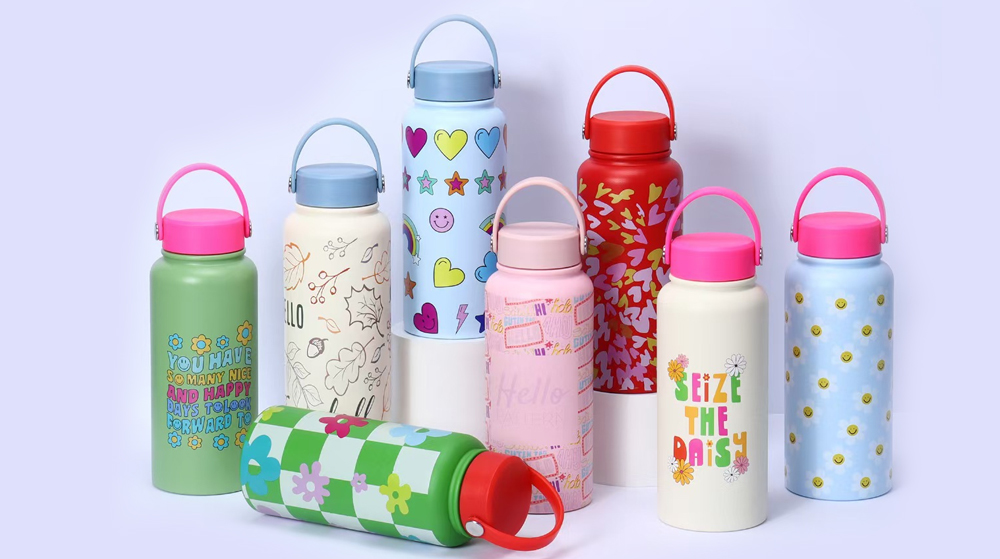
Bought a Rotary Printer but Struggling with Tapered Cups? Auto Height Detection and Printhead Protection Make the Difference
2026-09-10 -
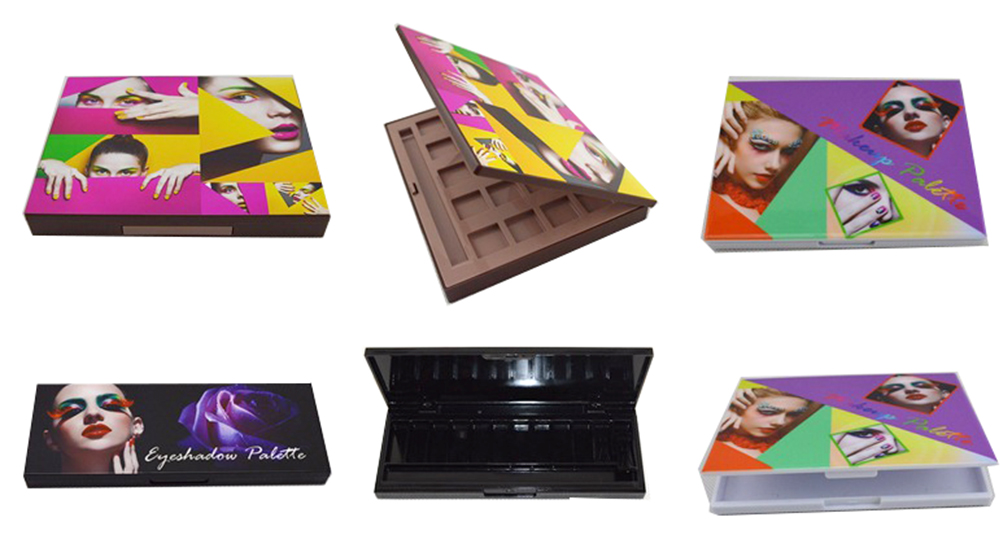
Waiting Days for Samples and Starting Over After Design Changes? How UV Flatbed Printers Help Designers Capture Every Idea
2026-09-10 -

Bought a Rotary Printer but Struggling with Tapered Cups? Auto Height Detection and Printhead Protection Make the Difference
2026-09-03 -

Waiting Days for Samples and Starting Over After Design Changes? How UV Flatbed Printers Help Designers Capture Every Idea
2026-09-03
CONTACT US


Guangzhou Nuocai Digital Products Co., Ltd.
If you would like to keep touch with us directly, please go to contact us
-
![]()
Home
-
![]()
Tel
-
![]()
Email
-
![]()
Contact


